

The Rising Trend: Why Kids Shouldn’t Be Using Adult Skincare
- Haus Of Ästhetik
- Nov 14, 2025
- 3 min read
Updated: Nov 19, 2025
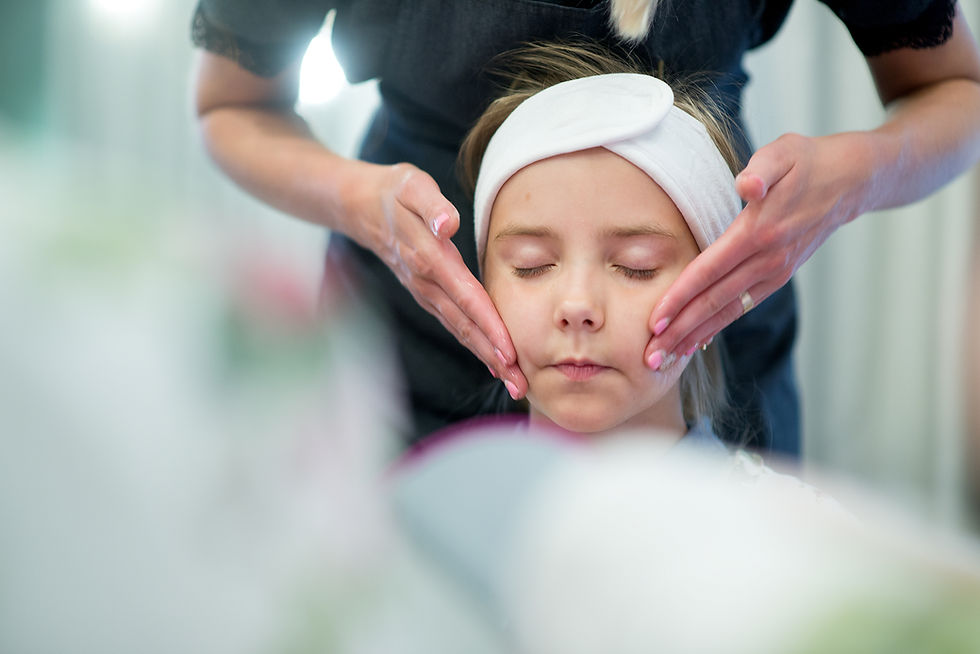
In recent years, dermatologists and industry bodies have raised alarm about children and young teens using skincare products originally designed for adult skin. One such organisation, the Save Face campaign, calls for restrictions on the sale of potent actives such as retinol, alpha- and beta-hydroxy acids, to anyone under 18.
Such products carry significant risks when applied to developing skin and carry implications for physical skin health and emotional wellbeing alike.
Why The Concern Is Valid
1. Skin barrier differences in younger individuals
Young skin is still maturing. As noted by experts at Nova Clinic, the skin of children and adolescents is thinner, more permeable and less resilient than adult skin, making it vulnerable to disruption by harsh actives.
Similarly, a UK news outlet reported dermatologists warning that children and teens using anti-ageing products are doing so at their own risk.
2. The link to ingredient misuse
Products marketed with strong actives carry clear warnings for adult use, not children. For example, the use of retinol or high strength acids on young skin can lead to irritation, weakening of the skin barrier, allergic sensitivity and long-term damage.
3. Social and marketing pressure
Social media platforms play a large role in promoting skincare trends to younger audiences. A trend of “adult-style routines for younger faces” has been documented. The Guardian reported children aged 10-12 asking parents for expensive skincare seen on social media. The Save Face campaign highlights that children as young as eight are being targeted online.
What This Means for You (and for Parents)
At Haus of Ästhetik we believe in safe, age-appropriate skincare and education. Here are key take-aways and actions:
Keep the routine simple for younger skin: Gentle cleansing, moisturising and diligent sun protection are corner-stones. Complex regimens or potent active ingredients are seldom needed, and may cause harm.
Check ingredient labels and marketing claims: If a product mentions anti-ageing, brightening, resurfacing, deep exfoliation or contains high strength actives (like retinol, glycolic acid, salicylic acid) then it may not be suitable for a child or young teen.
Be alert to social media influence: The packaging, influencer promotions and “must-have” trends may mask unsuitability for young skin. Brands and influencers have a responsibility to market appropriately.
Consult professionals when needed: If a child or teen has specific concerns (eg acne, pigmentation, skin sensitivity), it is best to seek dermatologist or aesthetic clinician advice rather than self-prescribing adult treatments.
Promote skin health and wellbeing, not perfection: A strong self-image and realistic expectations are key. Skincare should support health and confidence, not create anxiety or an unrealistic ideal.
Our Approach at Haus of Ästhetik
In our Bakewell clinic we apply a principle of “enhance, don’t exaggerate” and “safety first”. For younger clients (or parents of younger clients) we emphasise:
A baseline of safe, gentle skincare suited to age and skin type.
Clear explanation of when more advanced treatments become appropriate, and when they do not.
Transparent conversation about ingredients, risks and realistic outcomes.
Empowerment of parents/guardians to make informed choices rather than chasing marketing hype.
Final Thought
The burgeoning trend of children and teens reaching for adult-graded skincare is more than just marketing gone awry. It brings genuine skin-health risk and emotional pressure to vulnerable young people. As clinicians and educators in aesthetics and skincare, we have a duty to guide towards safe, evidence-based practices. At Haus of Ästhetik we stand ready to support clients of all ages in building healthy skin routines that reflect wellbeing, not worry.
If you’d like to explore an age-appropriate skincare strategy, whether for you or for a younger family member, we’d be delighted to help.


Comments